When to Call Hospice for Dementia
Caring for someone who has a failing memory brings moments of love, heartbreak, and uncertainty, and one of the hardest questions families face is when to call hospice for dementia. Because the decline happens slowly, many don’t notice how much has changed until communication becomes limited, mobility fades, or everyday tasks require full support.
What many people don’t realize is how common hospice becomes near the end of this journey. National research shows that almost 60 percent of older adults with cognitive decline receive hospice in their final month of life, and families describe higher overall care quality, better emotional support, and fewer stressful last-minute transfers when hospice is involved.
These benefits reflect the purpose of hospice: to bring comfort, stability, and dignity when the body can no longer recover.
Recognizing the signs that it may be time to call can help you make decisions guided by compassion rather than crisis.
When Does Someone with Dementia Qualify for Hospice?
A person becomes eligible for hospice when their dementia has progressed to a point where recovery is no longer expected and their life expectancy is estimated at six months or less. To determine this, hospice teams look at the overall stage of decline rather than any single symptom. One of the primary tools used is the FAST Scale, a staging system that helps identify when dementia has advanced to the point where hospice is appropriate.
Most people qualify for hospice once they reach FAST stage 7, which reflects severe cognitive and physical decline. At this stage, individuals typically show:
- Inability to walk independently
- Inability to communicate meaningfully using words
- Difficulty maintaining consciousness
Alongside the FAST score, clinicians also consider comorbid conditions, such as health issues that complicate the dementia. Conditions such as heart failure, chronic obstructive pulmonary disease, or diabetes can significantly reduce life expectancy when combined with advanced dementia.
They also look for secondary conditions that develop as a direct result of the illness. These problems often signal that the body is weakening and that hospice may provide the most appropriate level of care. Common secondary indicators include:
- Delirium
- Pneumonia
- Pressure ulcers
- Recurrent fevers or infections
- Dysphagia (difficulty swallowing)
- Significant weight loss (more than 10 percent over six months) or signs of poor nutrition such as hypoalbuminemia
Taken together, these factors help paint a full picture of the person’s health and expected progression.
How Eligibility Is Determined
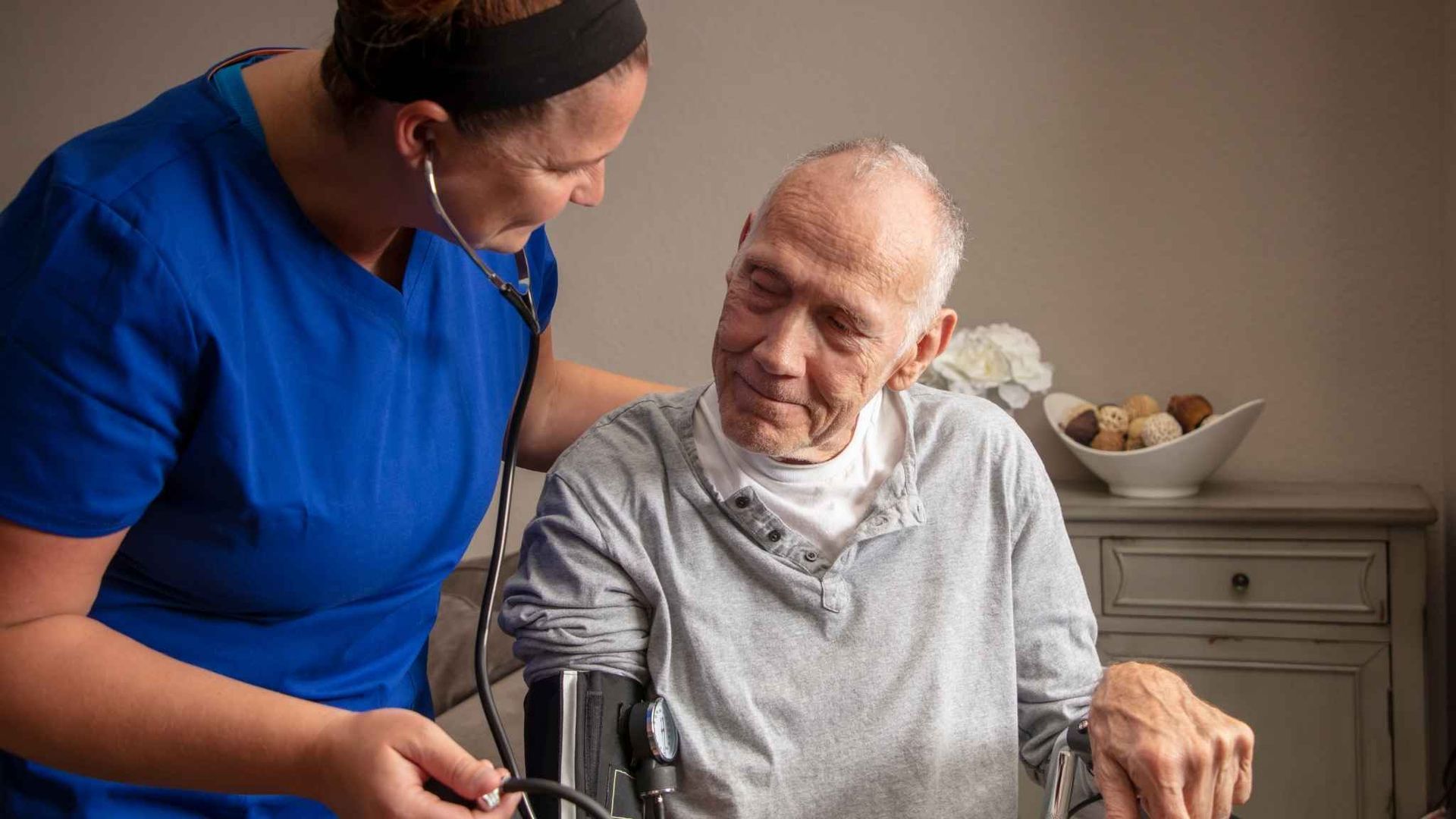
A hospice evaluation usually begins with a nurse or physician visiting your loved one to assess their current stage of dementia and any complications that have developed. They may review medical records, observe physical abilities, and ask caregivers about changes in daily function, appetite, behavior, and overall health.
You don’t have to wait for a doctor to initiate this step. Families can request a hospice evaluation at any time, and doing so early (especially when decline becomes more noticeable) often leads to better comfort and support. Many hospice organizations offer free assessments to help families understand eligibility and plan ahead with confidence.
What Are the Signs It's Time to Call Hospice for Dementia?
Several areas of decline typically signal that someone with dementia is approaching the end of life. Recognizing these changes can help you determine when to seek a hospice evaluation.
Communication and Cognition
In late-stage dementia, the ability to communicate meaningfully often diminishes significantly. Your loved one may no longer recognize family members, speak in coherent sentences, or respond to questions in ways that make sense.
Some people become completely nonverbal, while others may speak words that don't connect to the conversation. The person may seem to look through you rather than at you, showing little awareness of their surroundings.
Mobility and Daily Activities
Physical independence declines substantially in the final stages. Your loved one may need complete assistance with bathing, dressing, toileting, and eating. Many people become unable to walk or even sit up without support.
Frequent falls, even with assistance, often indicate that the body is weakening beyond what careful supervision can prevent.
Eating and Swallowing
Changes in eating habits frequently signal progression toward end-stage dementia. You may notice significant weight loss despite offering adequate food, or your loved one may hold food in their mouth without swallowing, a behavior called "pocketing."
Difficulty swallowing increases the risk of choking and aspiration pneumonia, which occurs when food or liquid enters the lungs.
Recurring Health Complications
Late-stage dementia often brings repeated infections, particularly pneumonia and urinary tract infections. Bedsores may develop even with attentive care, and fatigue becomes constant rather than occasional.
When multiple signs from these categories appear together, it's a strong indication that a hospice consultation would be appropriate.
What Is the Last Stage of Dementia and How Long Does It Last?
The final stage of dementia, sometimes called severe or end-stage dementia, represents the most significant loss of function. During this phase, people typically lose the ability to walk independently, speak meaningfully, and recognize even their closest family members.
This stage varies considerably in duration. For some, it lasts several weeks; for others, it may extend over a few months. The timeline depends on factors including overall physical health, the presence of other medical conditions, and the quality of supportive care.
Hospice care during this stage focuses on preventing distress, managing symptoms like pain or agitation, and supporting family members emotionally as they navigate this difficult time.
At What Stage Do Dementia Patients Forget Family Members?
The loss of recognition typically occurs during the late to final stages of dementia. This happens because the brain regions responsible for storing and retrieving memories become severely damaged as the disease progresses.
While this change is heartbreaking for families, there's comfort in understanding that emotional memory often remains intact longer than factual memory. Your loved one may not be able to recall your name or relationship, yet they may still respond to your familiar voice, your gentle touch, or simply your presence in the room.
Many families report that their loved one seems calmer or more at ease when surrounded by people who love them, even without apparent recognition. Your presence matters, even when words and names have slipped away.
What Are the Signs That a Dementia Patient Is Near Death?
As the end of life approaches, certain physical and behavioral changes become noticeable. Understanding these signs can help families prepare emotionally and ensure their loved one receives appropriate comfort care.
Physical Changes
The body begins to slow down in observable ways during the final days and weeks. Common signs include:
- Sleeping much more than usual and being difficult to wake
- Significant changes in breathing patterns, including pauses or irregular rhythms
- Eating and drinking very little or refusing food and fluids entirely
- Skin that feels cool to the touch or appears mottled with purple or bluish patches
- Increasing weakness and limited movement
Emotional and Behavioral Shifts
Some people become very calm or seem peacefully detached from their surroundings. Others may experience restlessness or appear to see or speak to people who aren't visible to others.
Hospice professionals are skilled at managing symptoms during this time, ensuring that discomfort is minimized and the transition is as gentle as possible.
What Do the Final Days of Dementia Look Like?
The final days often bring a profound quieting. Your loved one may become completely unresponsive, sleeping nearly all the time and no longer acknowledging voices or touch.
During this phase, hospice care focuses entirely on maintaining peace and comfort. This includes careful pain management, repositioning to prevent discomfort, and creating a calm environment, sometimes with soft music, dim lighting, or simply the presence of loved ones.
Hospice teams guide families on what to expect, helping you focus on meaningful connection rather than fear. They can tell you what physical changes are normal and reassure you that your loved one is not suffering.
How Should Families Talk to a Doctor About Hospice for Dementia?
Starting a conversation about hospice can feel daunting, but preparation helps. Before meeting with your loved one's physician, document the specific changes you've observed in communication, appetite, mobility, and overall health.
Ask direct questions about prognosis: "Based on what you're seeing, what do you expect the coming months to look like?" and "Do you think my loved one might benefit from hospice care?"
Consider involving a hospice provider early in these discussions. They can help explain care options and address concerns about what hospice does and doesn't mean.
Why It's Important Not to Wait Too Long to Call Hospice
Many families wait until a crisis occurs before contacting hospice, which means they miss weeks or months of support that could have benefited both the patient and caregivers.
Early hospice involvement provides access to specialized equipment, medication management, counseling services, and respite care that gives exhausted caregivers a break. These resources can significantly improve quality of life during the final stage of dementia.
Reaching out before an emergency allows for a smoother transition and ensures your loved one receives the full benefit of hospice services during the time that matters most.
When You Need Steady, Compassionate Care, Valley Oaks Hospice Is Here
Knowing when to call hospice for dementia is never simple, and no family should have to make that decision in isolation. If you’re starting to notice the signs of decline, or if daily care has become overwhelming, the team at Valley Oaks Hospice is here to walk with you through each step of this chapter.
Our nurses, social workers, and spiritual care providers focus on bringing comfort, calm, and clarity to families facing advanced cognitive decline. We help manage symptoms, guide difficult conversations, and create an environment where your loved one can experience peace and dignity in their final months.
If you’re unsure about timing or simply want to understand your options,
reach out to Valley Oaks Hospice today. We’ll listen, answer your questions, and help you determine the right moment to begin hospice care, so your family can move forward with confidence, support, and compassion.