When to Call Hospice for Elderly Loved Ones
Caring for an aging loved one rarely follows a clear path.
Changes happen gradually. And it can be difficult to know when the focus of care should shift from treatment to comfort. If you've found yourself asking when to call hospice for elderly family members, many families sit with this question far longer than they should, simply because they don't know what to look for.
Asking the question does not mean giving up.
Hospice care ensures dignity, meaningful support, and relief from pain during one of life's most vulnerable stages. It centers comfort over cure, and it wraps both the patient and their family in a level of care that standard medical treatment often cannot provide.
We'll walk you through what hospice really means for the elderly, what signs to watch for, and how to take the next step with confidence.
What Hospice Care for the Elderly Actually Means
Hospice is a deliberate, compassionate shift in what care is trying to accomplish, not a last resort.
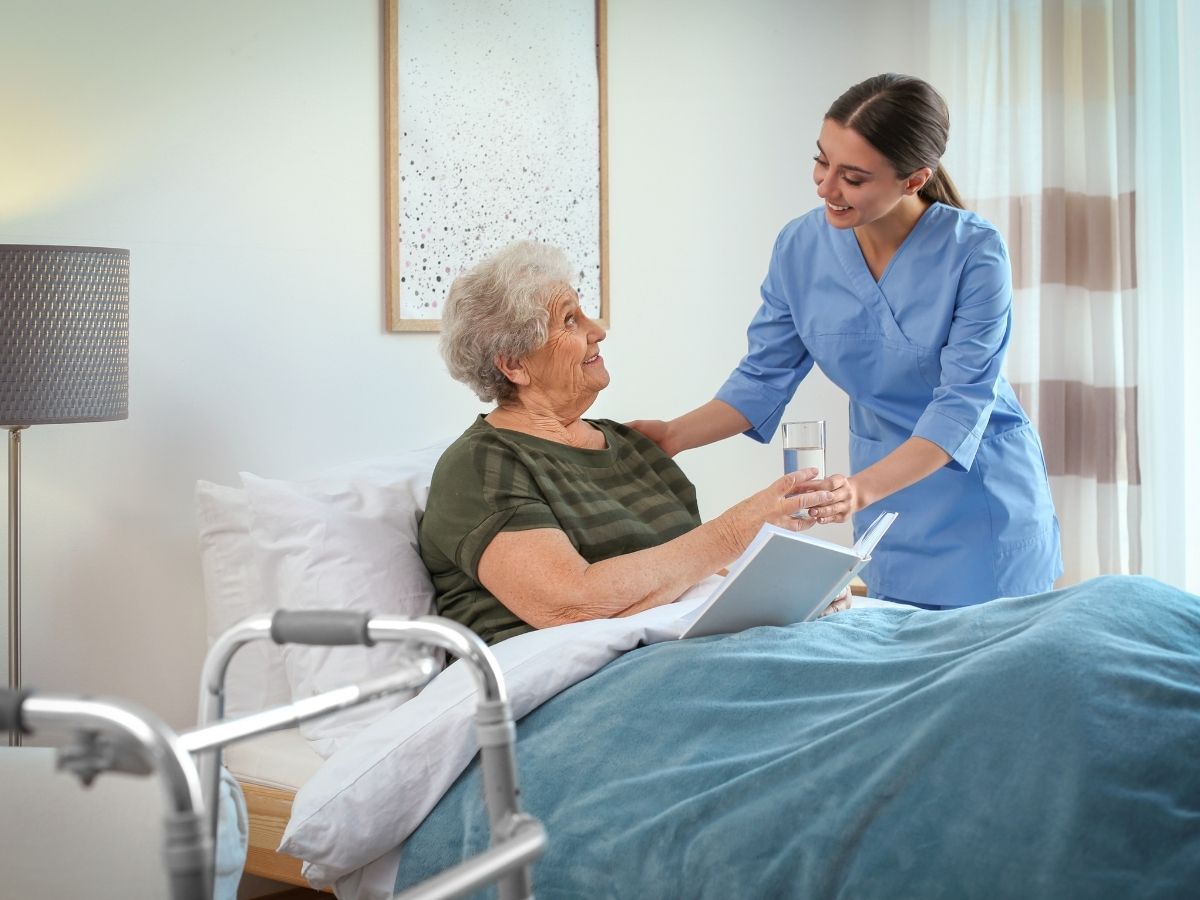
Rather than pursuing curative treatments, hospice prioritizes managing pain, reducing discomfort, and providing emotional and spiritual support. It can be delivered in a variety of settings:
- The patient's own home
- An assisted living or memory care facility
- A nursing home
- A dedicated hospice facility
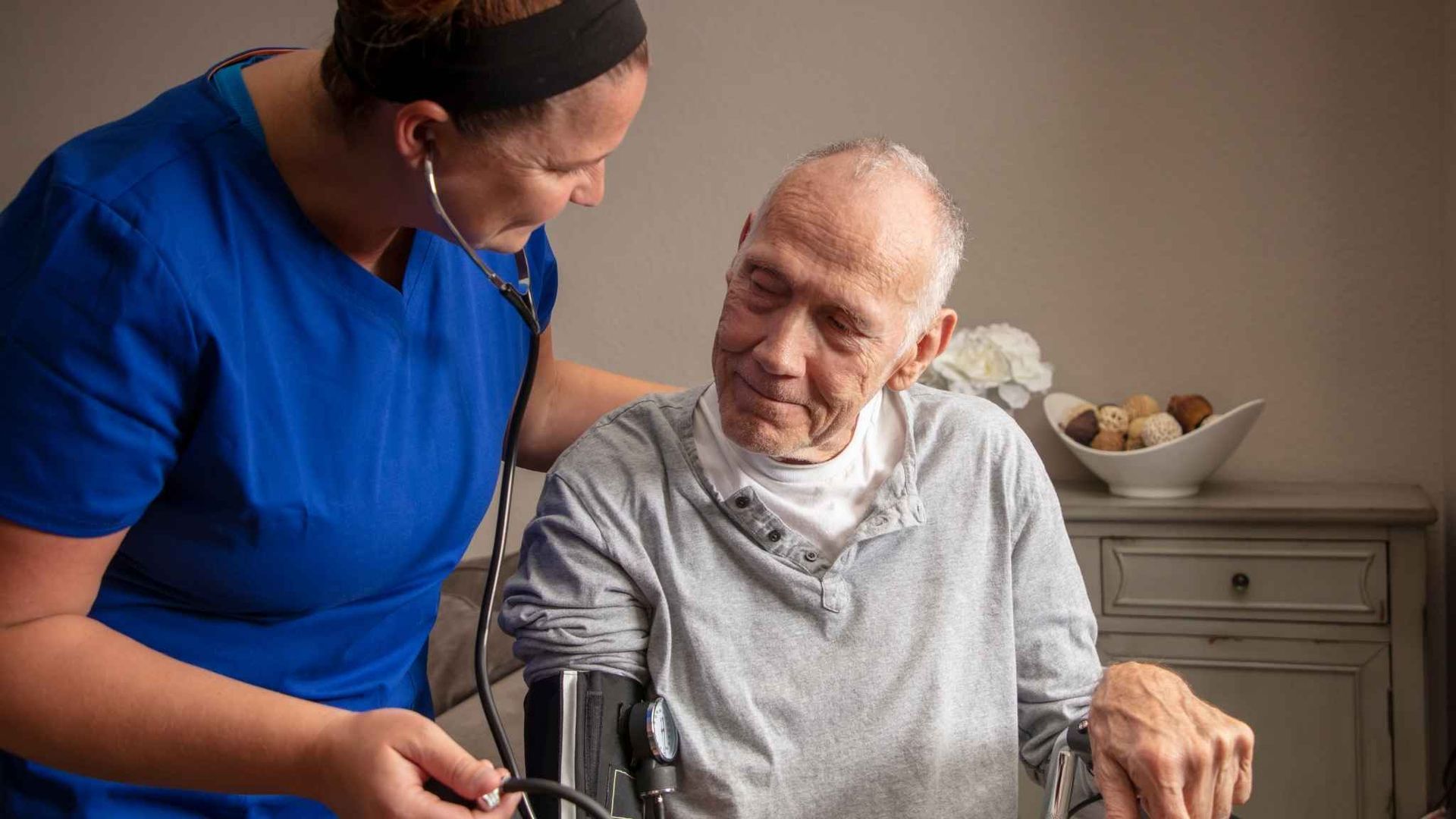
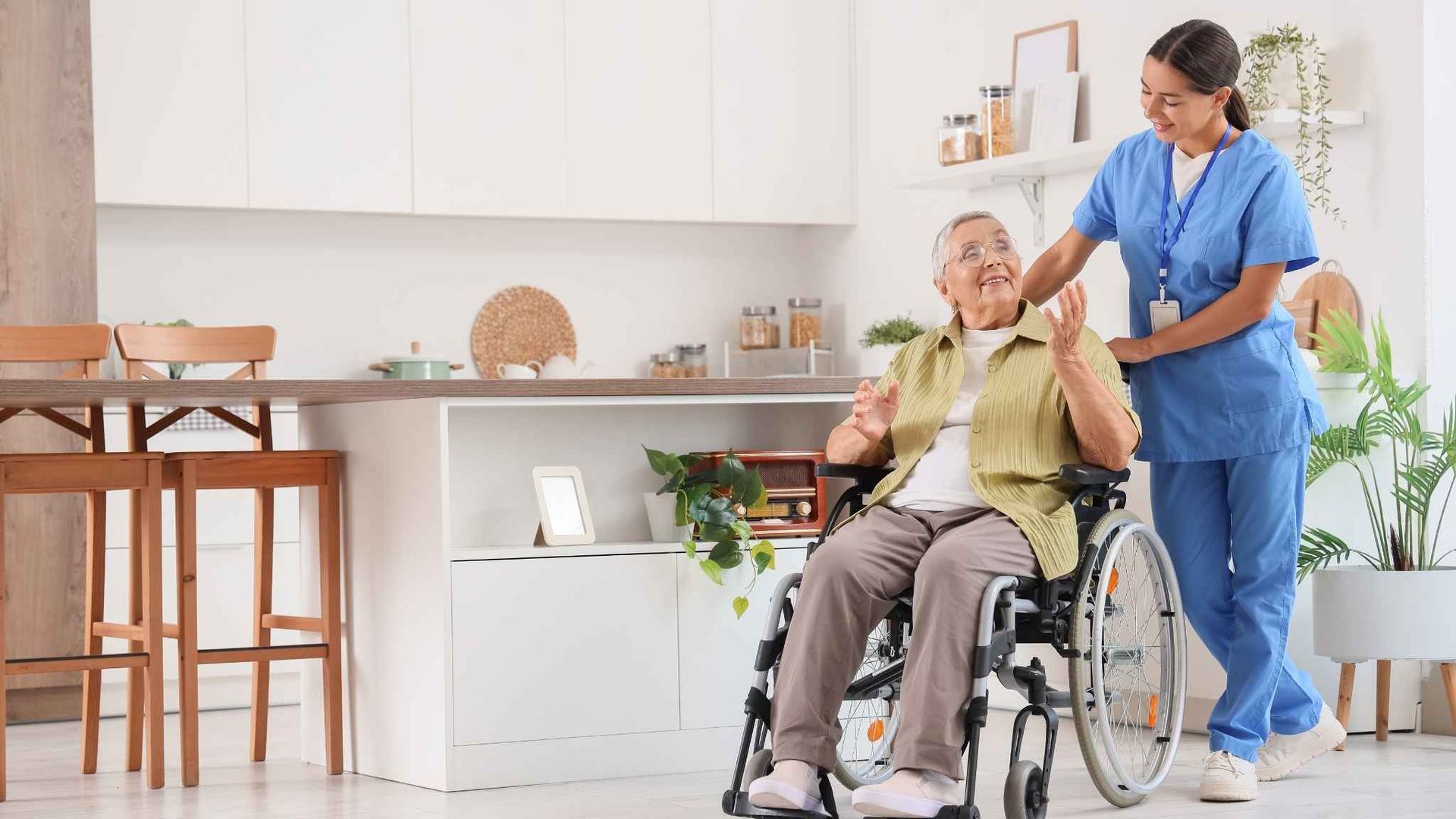
The care team typically includes nurses, social workers, chaplains, and home health aides who work in coordination to support both the patient and the family. The goal is to ensure that the time remaining is spent with as much comfort, connection, and peace as possible.
When You Should Call Hospice for an Elderly Loved One
The right time is when a physician certifies that a terminal condition is expected to result in death within six months, and when the patient and family have decided to shift the care goal from curative treatment to comfort.
This decision is based on the trajectory of overall health decline. A 70-year-old with advanced heart failure may qualify, just as a 90-year-old with a progressive terminal diagnosis would.
The central question is whether treatments are still improving quality of life in a meaningful way.
Knowing when to call hospice for elderly loved ones means paying attention to patterns, not single events. The sections below outline what those patterns look like.
How Frequent Hospital Visits Signal It's Time for Hospice
Repeated emergency room visits or hospital admissions are one of the clearest signals that something has shifted. When someone is cycling in and out of the hospital every few weeks, symptoms are likely worsening faster than treatment can stabilize them.
Each hospitalization adds physical and emotional stress. Repeated procedures, overnight stays, and unfamiliar environments can become more burdensome than beneficial, particularly for elderly patients whose bodies have less reserve to recover from each episode.
Hospice can reduce these transfers by focusing on symptom management at home, keeping your loved one in a familiar, supportive environment where comfort comes first.
What Physical Changes Indicate Declining Health in the Elderly
Physical decline tends to show up in consistent, recognizable ways. Significant, unintentional weight loss is one of the most reliable indicators, particularly when it persists over several weeks despite nutritional support.
Other physical signs to watch for:
- Loss of appetite or noticeable difficulty swallowing
- Pain that is increasingly hard to control with current medications
- Shortness of breath at rest or with minimal activity
- Persistent fatigue and weakness that limits daily function
When the body begins to weaken despite ongoing treatment, these changes reflect disease progression, not a temporary setback. A hospice team can provide targeted pain and symptom management focused entirely on keeping your loved one as comfortable as possible.
How Loss of Function Helps Determine Hospice Timing
Daily independence matters. When it starts to disappear, it is often a sign that the disease is advancing.
A meaningful decline in the ability to bathe, dress, eat, or move around without help signals that the body's overall capacity is diminishing. Spending increasing amounts of time in bed or in a chair, combined with a loss of interest in activities that once brought joy, reflects something deeper than fatigue.
These functional changes are closely tied to disease progression and are part of what physicians evaluate when considering hospice eligibility.
What Cognitive or Behavioral Changes Suggest Hospice May Be Needed
Cognitive and behavioral changes can be just as telling as physical ones. Increased confusion, agitation, and reduced alertness are common signs that advancing illness is affecting the brain.
Social withdrawal is another marker. So is spending more time sleeping, becoming difficult to rouse, or losing interest in people and conversations that once mattered. These are not personality shifts. They reflect what is happening neurologically as the body begins to decline.
When these patterns appear alongside physical changes, it strengthens the case for a hospice evaluation.
Why Recurrent Infections Signal a Serious Decline
A weakened immune system is a hallmark of late-stage illness.
When infections such as pneumonia or urinary tract infections keep recurring, the body is losing its ability to fight back. Slow wound healing and skin breakdown, including pressure sores, tell the same story. The body's restorative processes are deteriorating.
These are not isolated medical events. They are signals that the overall trajectory of health is heading in one direction, and that comfort-focused care may serve the patient far better than continued curative treatment.
When Hospice Is Appropriate for Elderly Patients With Dementia
Advanced dementia is a terminal condition. Hospice is often underutilized in this population, and that gap in care can leave both patients and families without the support they need.
Clinicians use the FAST (Functional Assessment Staging Tool) scale to assess eligibility for dementia patients. Stage 7 typically indicates end-stage disease. At this point, a person may no longer be able to:
- Walk without full assistance
- Sit up without support
- Smile or make meaningful facial expressions
- Speak more than a few recognizable words
When dementia has progressed to this level, the focus of care should shift toward comfort, pain management, and meaningful time with loved ones. A hospice team experienced in dementia care can make this transition as gentle as possible.
What Determines If an Elderly Person Qualifies for Hospice
To qualify for hospice, a physician must certify that the patient has a terminal illness with a life expectancy of six months or less, assuming the disease follows its expected course.
The prognosis does not need to be a guarantee. If a physician reasonably expects that the illness could lead to death within that timeframe, the patient is eligible.
And if a patient stabilizes or lives longer than anticipated, they can continue receiving hospice care as long as they continue to meet eligibility criteria upon reassessment.
How Close to Death Hospice Is Typically Called In
Most people picture hospice as something that happens in the final days. That is one of the most common and most costly misconceptions.
Patients can receive hospice care for weeks or even months before death. Many families who waited say they wished they had called sooner. The timing varies widely depending on the diagnosis and the pace of decline, but the length of time matters far less than the quality of support provided throughout.
How Families Can Talk to a Doctor About Hospice for Elderly Loved Ones
Starting the conversation is often the hardest part. But it does not have to be complicated.
Tell the physician that you want to explore all care options, including comfort-focused care, and ask directly whether your loved one might qualify for hospice. You can also come prepared with observations from home. Changes in appetite, mobility, sleep patterns, and behavior give the doctor valuable context that a clinical visit alone may not reveal.
Some helpful questions to guide the conversation:
- What is the expected progression of my loved one's condition from here?
- Are current treatments improving quality of life, or primarily managing symptoms?
- Have you considered referring us for a hospice evaluation?
- What would comfort-focused care look like for someone with this diagnosis?
A good physician will welcome this conversation. If you are not getting clear answers, it is entirely appropriate to seek a second opinion.
Is Choosing Hospice Giving Up on an Elderly Loved One?
No.
Choosing hospice is a reorientation of care toward what matters most. Some treatments can extend life, but when they are no longer serving the patient's comfort or dignity, hospice offers a more meaningful path forward. It acknowledges the limits of medicine and places the focus entirely on the person: their comfort, their dignity, and their time with family.
Patients in hospice receive skilled, attentive, compassionate care every single day. Families are held and guided through one of the most difficult experiences of their lives. The shift is toward a different, and often far deeper, kind of care.
Find Out If Hospice Is the Right Step Today
If you are noticing these signs in someone you love, our team is here to help.
We can answer your questions, walk you through the evaluation process, and help you make the most informed and compassionate decision possible.
Contact us today to speak with a hospice care specialist, or
learn more about our hospice services to understand how we support patients and families every step of the way.