How to Get Hospice Care: A Step-by-Step Guide
Deciding to look into hospice can feel like a lot, especially when you are already carrying the weight of a loved one's serious illness. Many people assume hospice is hard to reach or buried in paperwork.
The process is usually simpler than that. Here is how to get hospice care, one clear step at a time.
Step 1: Confirm That Your Loved One Qualifies
A person qualifies for hospice when a physician certifies that they have a serious illness likely to run its course within about six months. That timeframe is an estimate based on how the illness typically progresses, not a fixed prediction.
Eligibility depends on the illness and its expected path, not on a person's age. A younger patient with an advanced condition can qualify, while an older adult in stable health would not. Two doctors are often involved in the initial certification, usually the hospice medical director and the patient's own physician.
If someone lives longer than expected, the hospice team gently reassesses whether they still meet the criteria, and care continues as long as they do.
Step 2: Reach Out to Begin the Process
You can begin the process by contacting the patient's physician or a hospice provider directly, and you do not have to wait for a doctor to suggest it first. A single phone call is often all it takes.
Almost anyone close to the patient can make that first contact:
- The patient
- A family member
- A close friend
- A primary care physician
- A specialist treating the illness
- A hospital discharge planner
If you start with the doctor, they can submit a referral to a hospice agency. If you start with the hospice provider, their team coordinates with the physician to gather what they need. Much of knowing how to get hospice care comes down to this one outreach step, and many families are surprised they can call an agency themselves without a referral in hand.
Step 3: Complete the Hospice Assessment
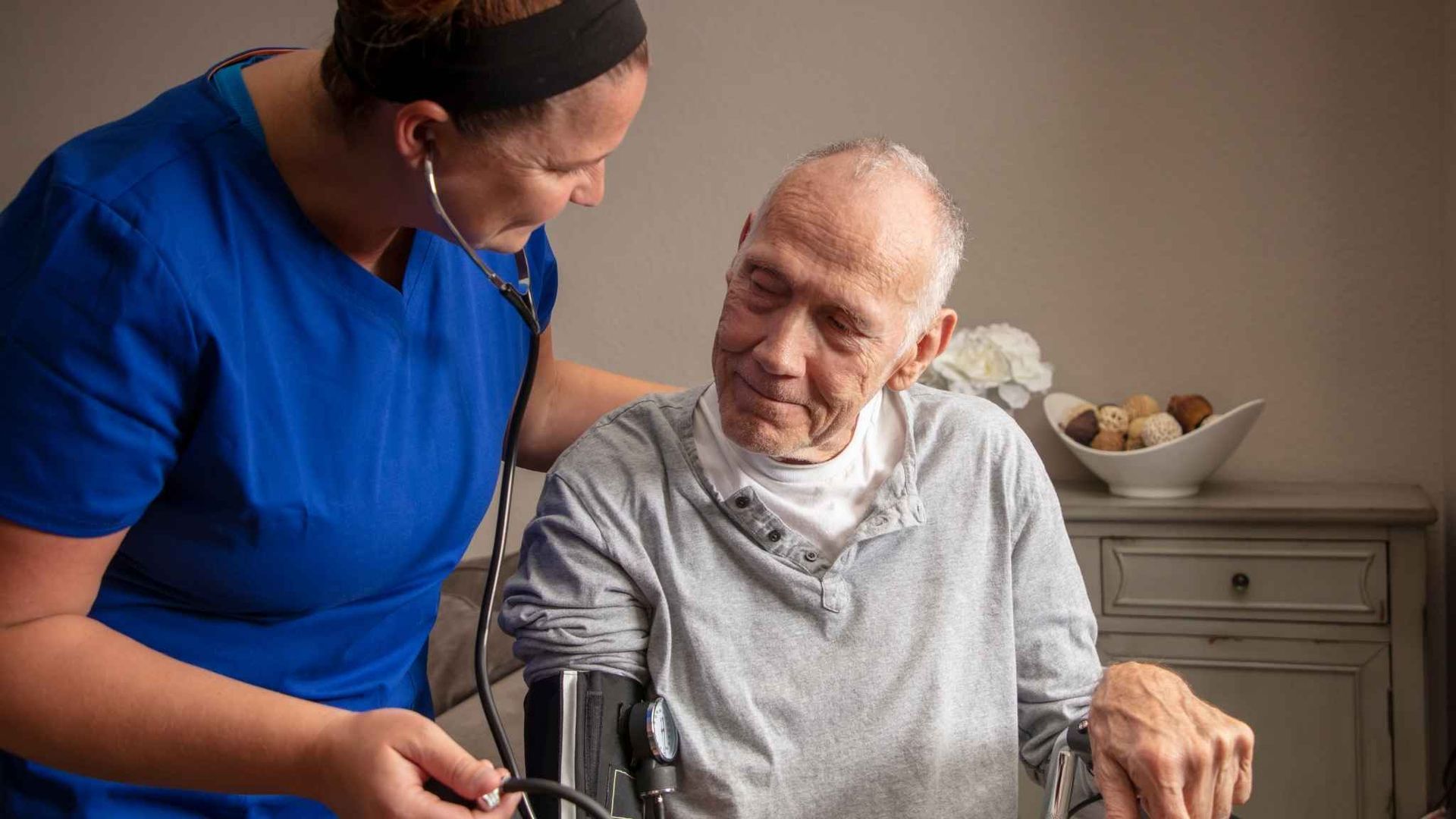
A hospice nurse visits for a no-cost evaluation to confirm eligibility and understand what kind of support the patient needs. It is a conversation and a gentle exam, nothing more.
During the visit, the nurse typically reviews:
- Medical history and current diagnoses
- Symptoms the patient is experiencing now
- Changes in daily functioning, such as eating, moving, or resting
- Overall prognosis
Most families find the visit far gentler than they feared, with no pressure and no commitment required simply to have it done. Many worry that asking about hospice means giving up hope. Choosing comfort-focused care is its own act of caring, focused on keeping your loved one peaceful and supported.
Step 4: Complete the Election Paperwork
The main document is a hospice election form, where the patient or their chosen representative agrees to receive comfort-focused care. Signing it formally begins hospice services.
This form confirms that the patient understands hospice centers on comfort and quality of life for their terminal illness. Once it is signed, insurance coverage shifts so that care tied to that illness is handled through the hospice benefit. Medicare, Medicaid, and most private plans cover this care, usually with little to no out-of-pocket cost, so finances are rarely a barrier.
Step 5: Begin Services and Meet Your Care Team
Once the paperwork is complete, an interdisciplinary team builds a personalized care plan and coordinates it with the patient's existing doctor. Care usually starts within 24 to 48 hours, and sooner when the need is urgent.
Your care team includes several people, each with a distinct role:
- Physicians who oversee medical care
- Nurses who manage symptoms and monitor changes
- Hospice aides who help with bathing, grooming, and daily comfort
- Social workers who support practical and emotional needs
- Chaplains who offer spiritual care when wanted
- Volunteers who provide companionship and respite
This team works alongside the patient's current physician so nothing falls through the cracks.
How to Become a Patient at Valley Oaks Hospice
You can become a patient at Valley Oaks Hospice by calling our team at 626-593-5166 and scheduling an assessment. From that first call, we'll guide you the rest of the way.
The process usually follows these steps:
- Speak with a team member who answers your questions and explains available services
- Schedule a patient assessment to confirm eligibility
- Arrange a consultation for the family and caregivers
- After eligibility is confirmed, the medical director assembles an interdisciplinary care team
- The team develops a personalized care plan built around the patient's physical, emotional, and spiritual needs
At every stage, the
Valley Oaks team handles the details and answers your questions. Call
626-593-5166 today to ask questions and schedule an assessment.